Development Vision
A development plan for 2026–2050.
The commitments guiding infrastructure, services and economic growth across Kagadi Town. This is a vision document; adopted council policy is published separately by Kagadi Town Council.
Editorial note: This page presents a development vision and platform document associated with Hon. Kasaija William Mugenyi. It is aspirational and does not represent policy formally adopted by Kagadi Town Council unless separately ratified by council resolution.
Development Vision · Kagadi Town 2026–2031
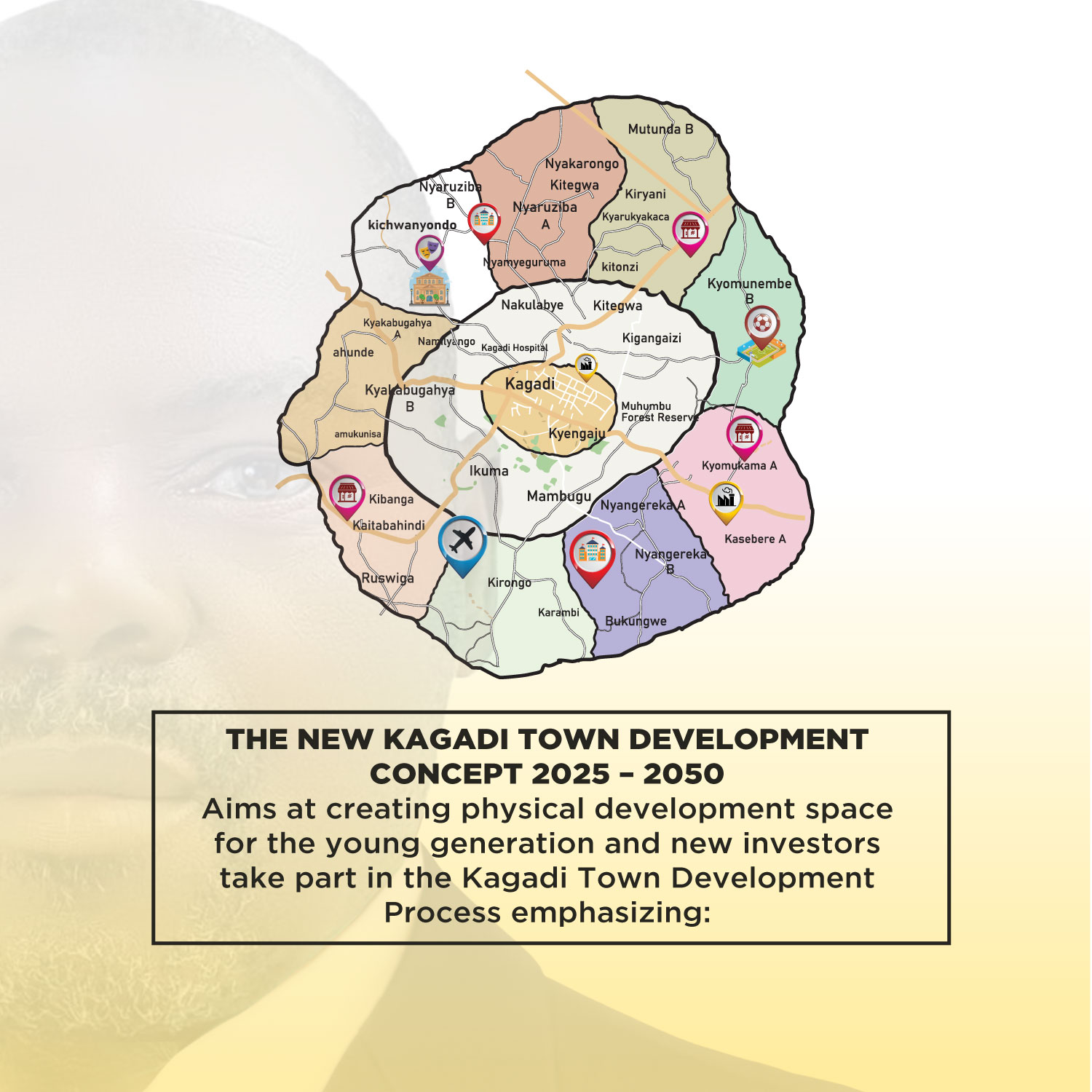
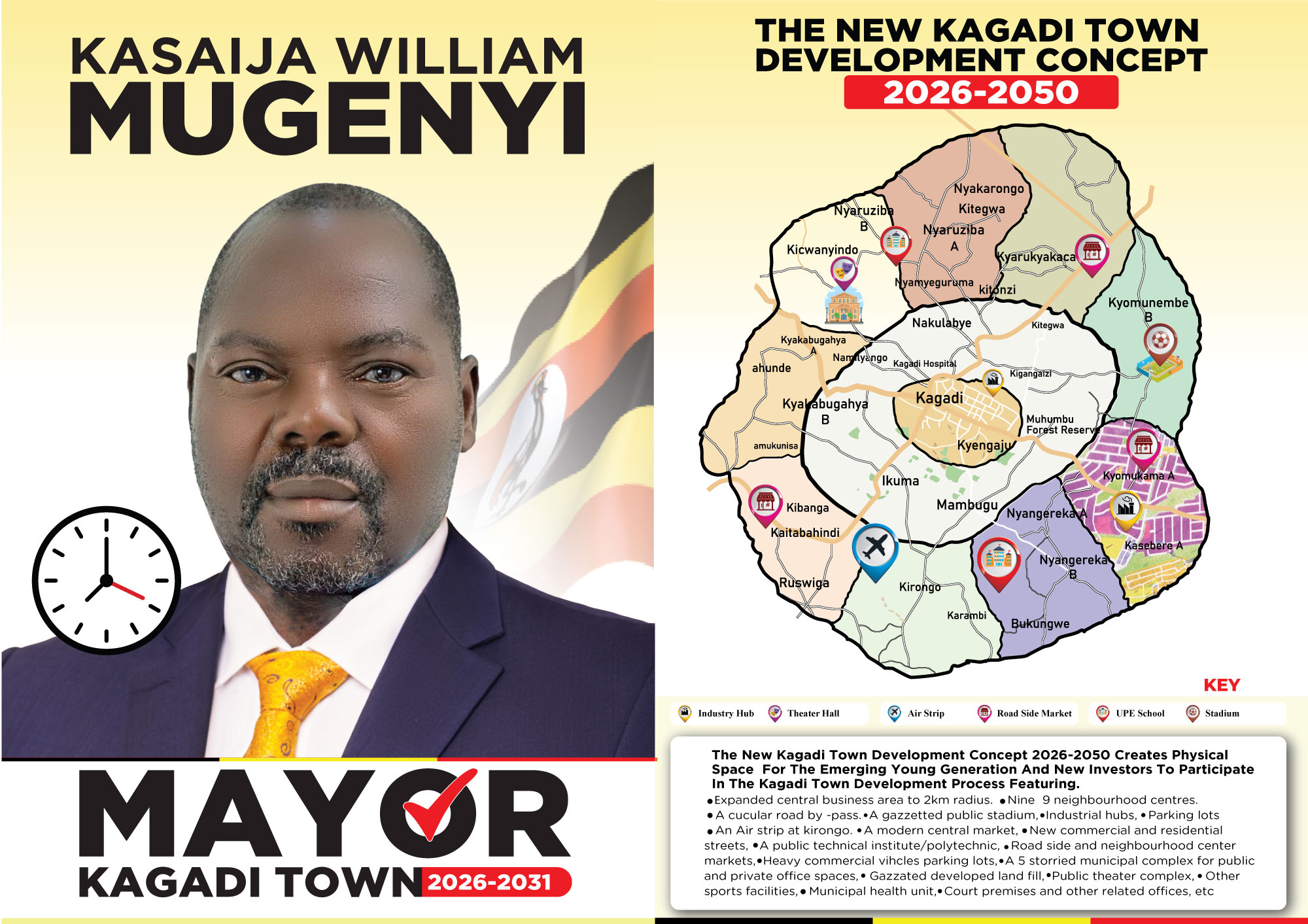
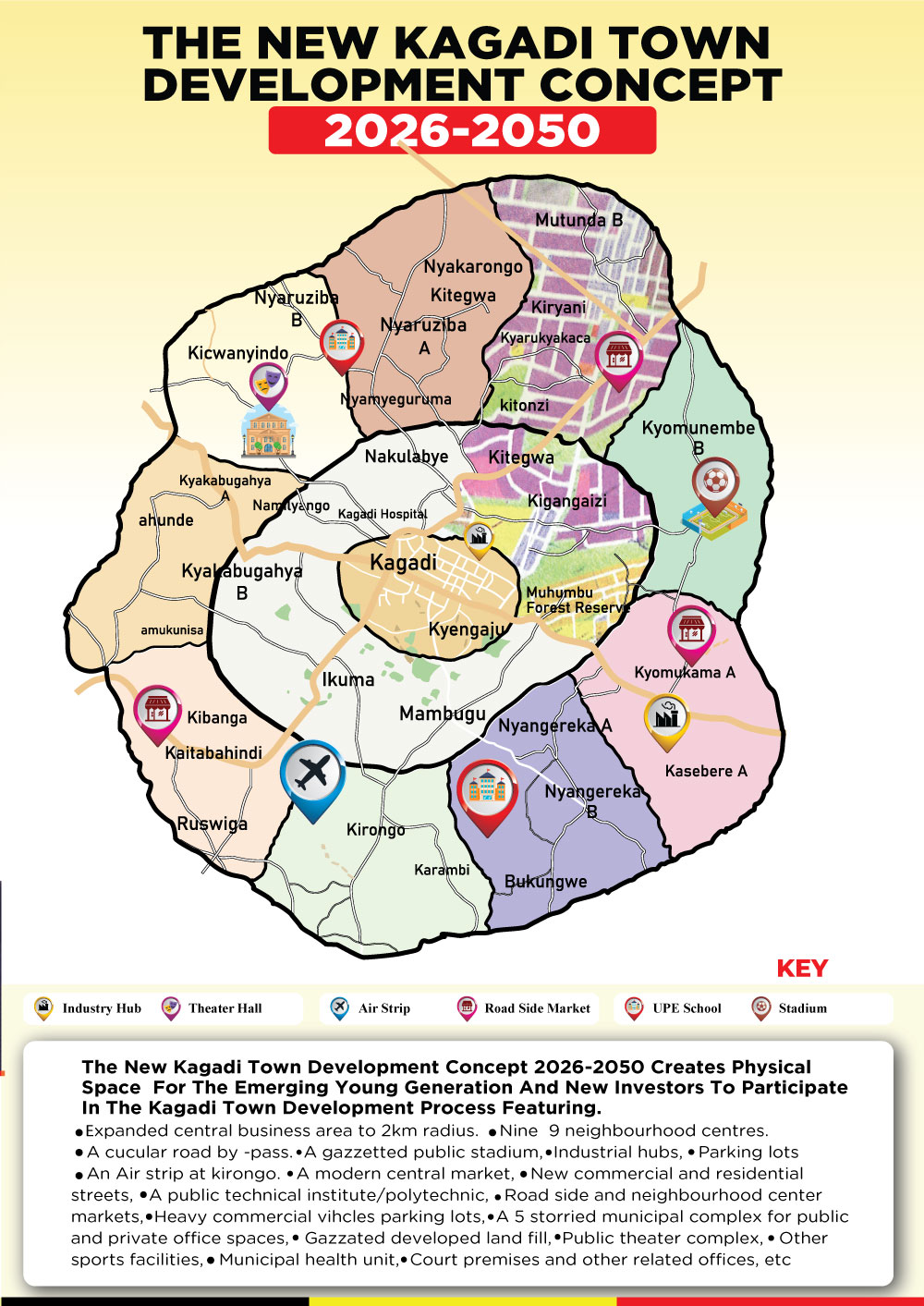
The New Kagadi Town Development Concept 2026–2050
This development vision, championed by Hon. Kasaija William Mugenyi, aims at creating physical development space so that the young generation and new investors can take part in the Kagadi Town development process — ensuring a large, orderly, clean, beautiful, vibrant and peaceful new Kagadi Town. Kagadi Empyaka.
2km
Expanded central business area radius
9
New neighbourhood centres
30
Manageable new cells from split villages
20km
Roads/streets opened each financial year
Policies to be maintained
- Enterprise section and zoning
- Hire of agricultural land by the landless
- Sorting of household refuse at source before disposal and collection
- Recycling of household refuse into organic manure and other products, i.e. electricity
- Processing, production and distribution of organic manure to urban farmers
- A 1–4 acre model government policy for households with sizable parcels of land in town
- Promote resident participation in the Government PDM programme
"Thank you for your time and support — the future of the new Kagadi Town is in your hands."
+256 772 654 249The 17 commitments
Extended central business area
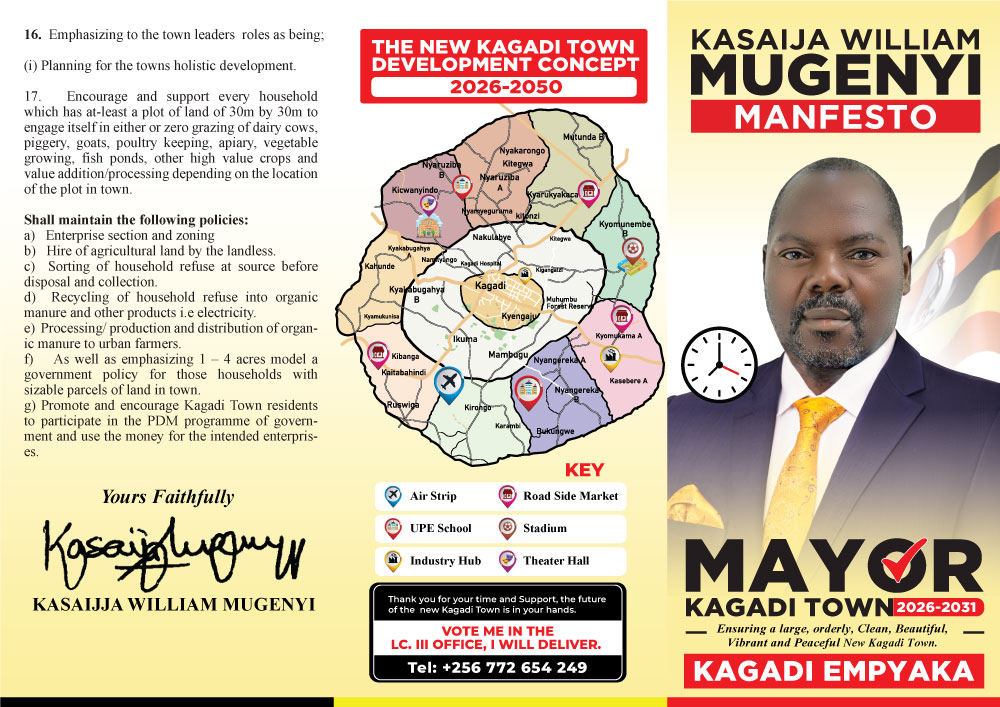
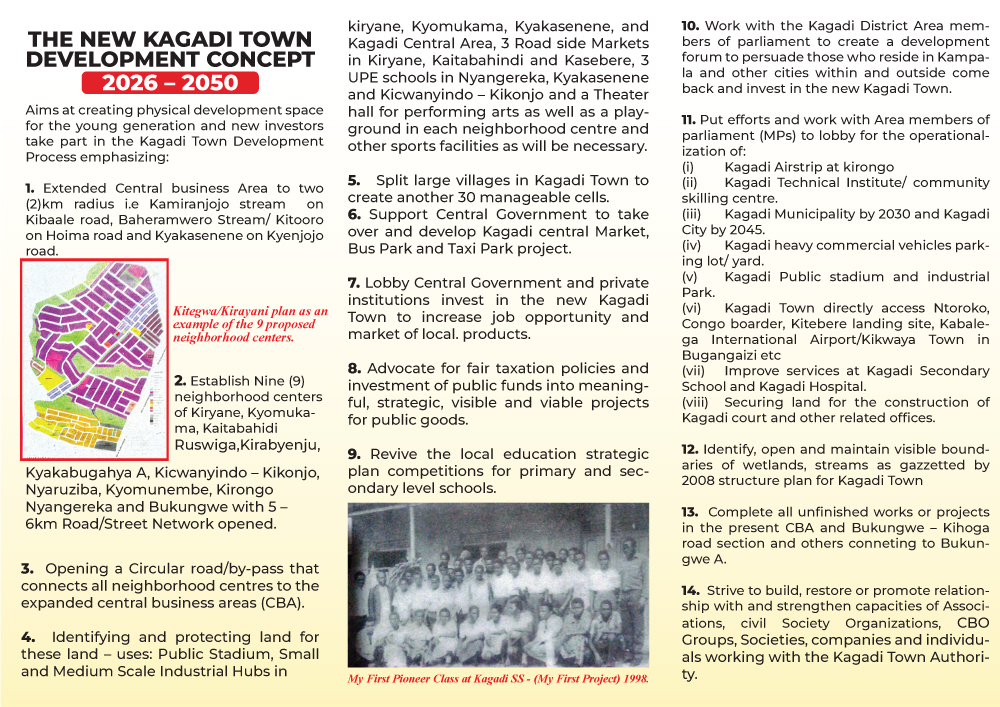
Grow the CBA to a 2km radius — up to Kamiranjojo stream on Kibaale road, Baheramwero Stream / Kitooro on Hoima road and Kyakasenene on Kyenjojo road.
Nine neighbourhood centres
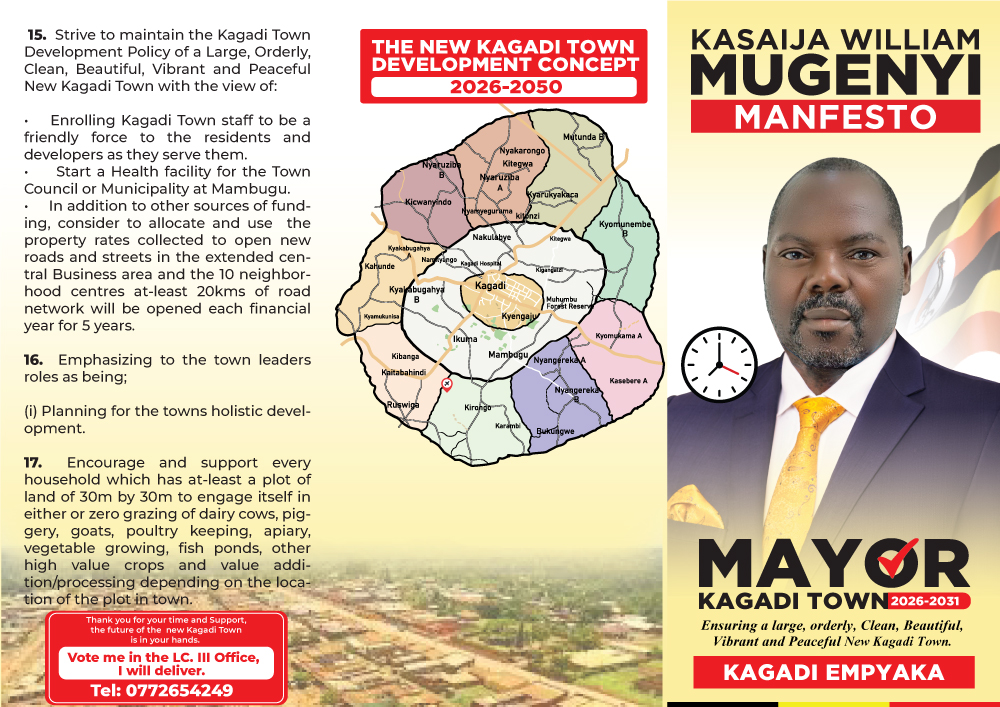
Establish centres at Kiryane, Kyomukama, Kaitabahidi, Ruswiga, Kirabyenju, Kyakabugahya A, Kicwanyindo–Kikonjo, Nyaruziba, Kyomunembe, Kirongo, Nyangereka and Bukungwe with a 5–6km road/street network opened.
Circular road / by-pass
Open a circular road that connects every neighbourhood centre to the expanded central business area.
Land for public uses
Identify and protect land for a public stadium, small and medium industrial hubs, three road-side markets, three UPE schools, a theatre hall for performing arts and a playground in each neighbourhood centre.
Split large villages
Divide oversized villages into roughly 30 manageable cells for closer, more accountable local administration.
Central Market, Bus Park & Taxi Park
Support Central Government to take over and develop the Kagadi Central Market, Bus Park and Taxi Park project.
Investment & jobs
Lobby Central Government and private institutions to invest in the new Kagadi Town, expanding job opportunities and the market for local products.
Fair taxation & public funds
Advocate for fair taxation policies and investment of public funds into meaningful, strategic, visible and viable projects for public goods.
Education strategy
Revive local education strategic plan competitions for primary and secondary level schools.
Diaspora & development forum
Work with Kagadi District MPs to create a development forum that persuades those living in Kampala and beyond to come back and invest in the new Kagadi Town.
Lobby for major projects
Push for the Kagadi Airstrip at Kirongo, Kagadi Technical Institute / community skilling centre, Municipality status by 2030 and City status by 2045, a heavy commercial vehicles parking lot, a public stadium and industrial park, direct access to Ntoroko, the Congo border, Kitebere landing site and Kabalega International Airport, improved services at Kagadi Secondary School and Kagadi Hospital, and land for the Kagadi court premises.
Wetlands & streams
Identify, open and maintain visible boundaries of wetlands and streams as gazetted by the 2008 structure plan for Kagadi Town.
Finish unfinished works
Complete all unfinished works in the present CBA and on the Bukungwe–Kihoga road section and connections to Bukungwe A.
Partnerships
Build, restore and strengthen relationships with associations, civil society organisations, CBO groups, societies, companies and individuals working with the Kagadi Town Authority.
A large, orderly, clean town
Maintain the development policy of a large, orderly, clean, beautiful, vibrant and peaceful Kagadi Town — with staff who are a friendly force to residents and developers, a health facility for the Town Council at Mambugu, and property rates reinvested into new roads and streets.
Town leaders' role
Emphasise planning for the town's holistic development as the core role of town leadership.
Household enterprise
Encourage every household with at least a 30m by 30m plot to take up dairy or zero grazing, piggery, goats, poultry, apiary, vegetable growing, fish ponds and other high value crops with value addition and processing.
Vision documents
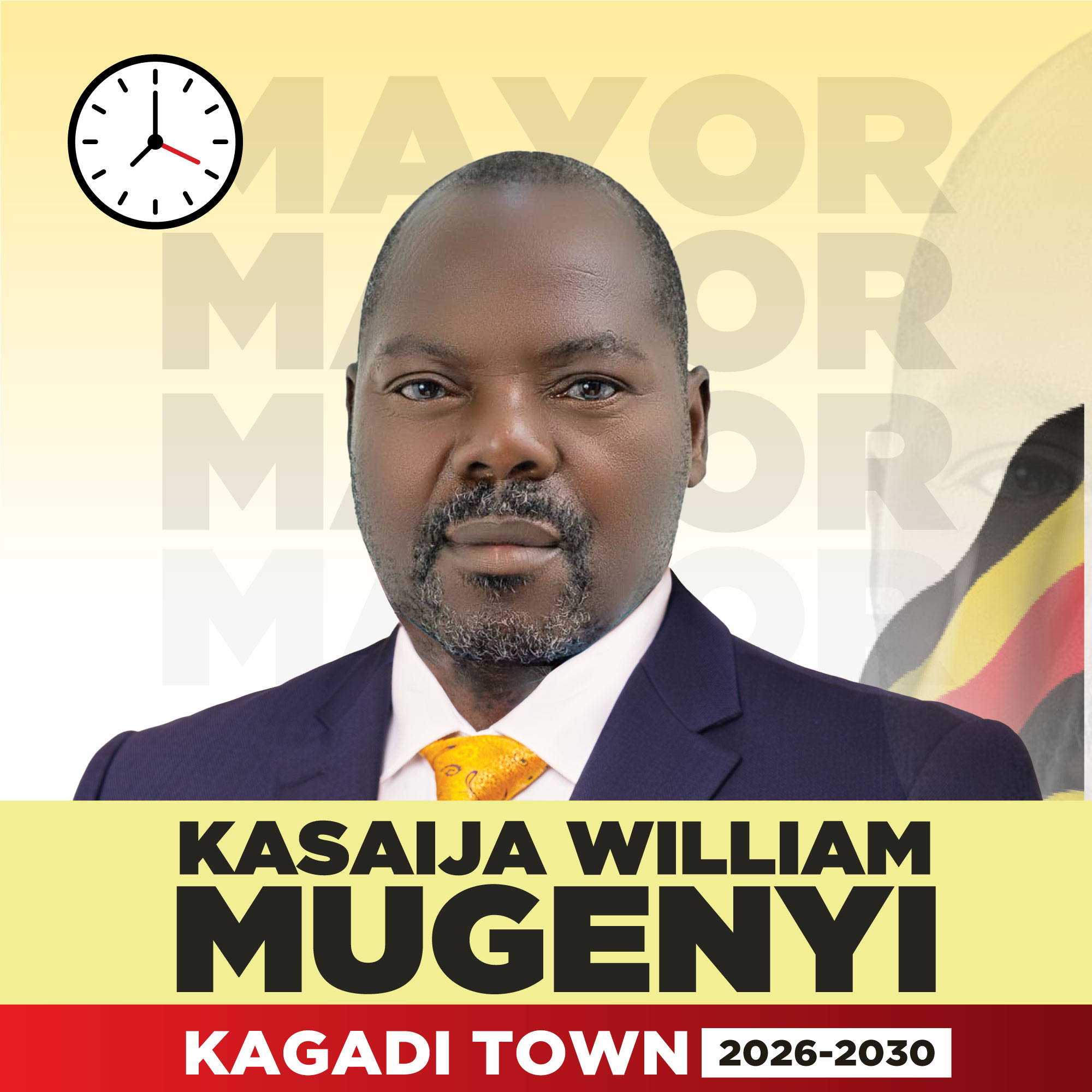
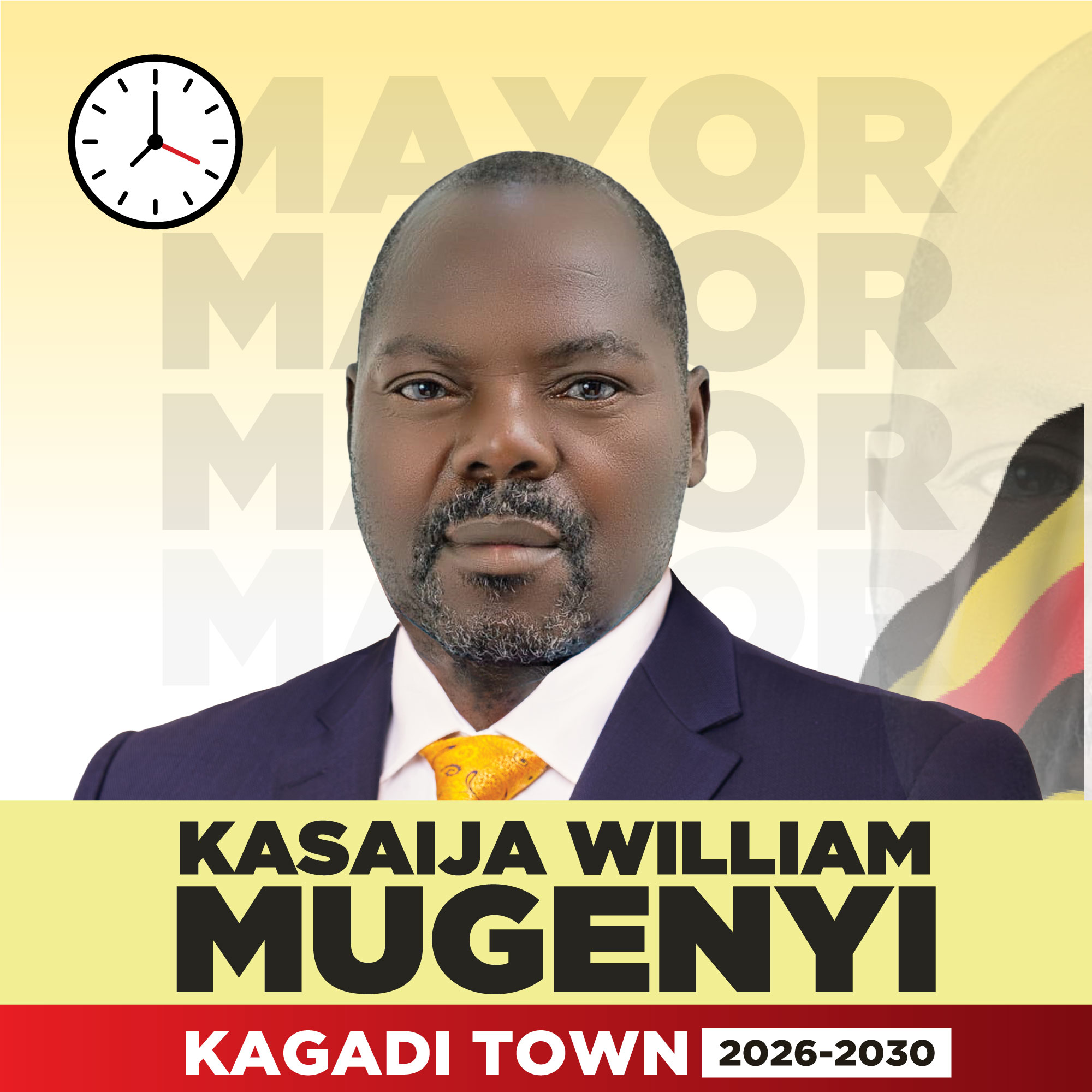
Published campaign posters and platform pages circulated in Kagadi Town.
Read the town's own documents
Speeches, booklets & official plans
Speech
The Mayor's address to the Asian business community
Read the full speech, word for word, with search and print.
Booklet
The New Kagadi Town Development Concept 2026–2050
All 24 pages of the official publication, plus the PDF download.
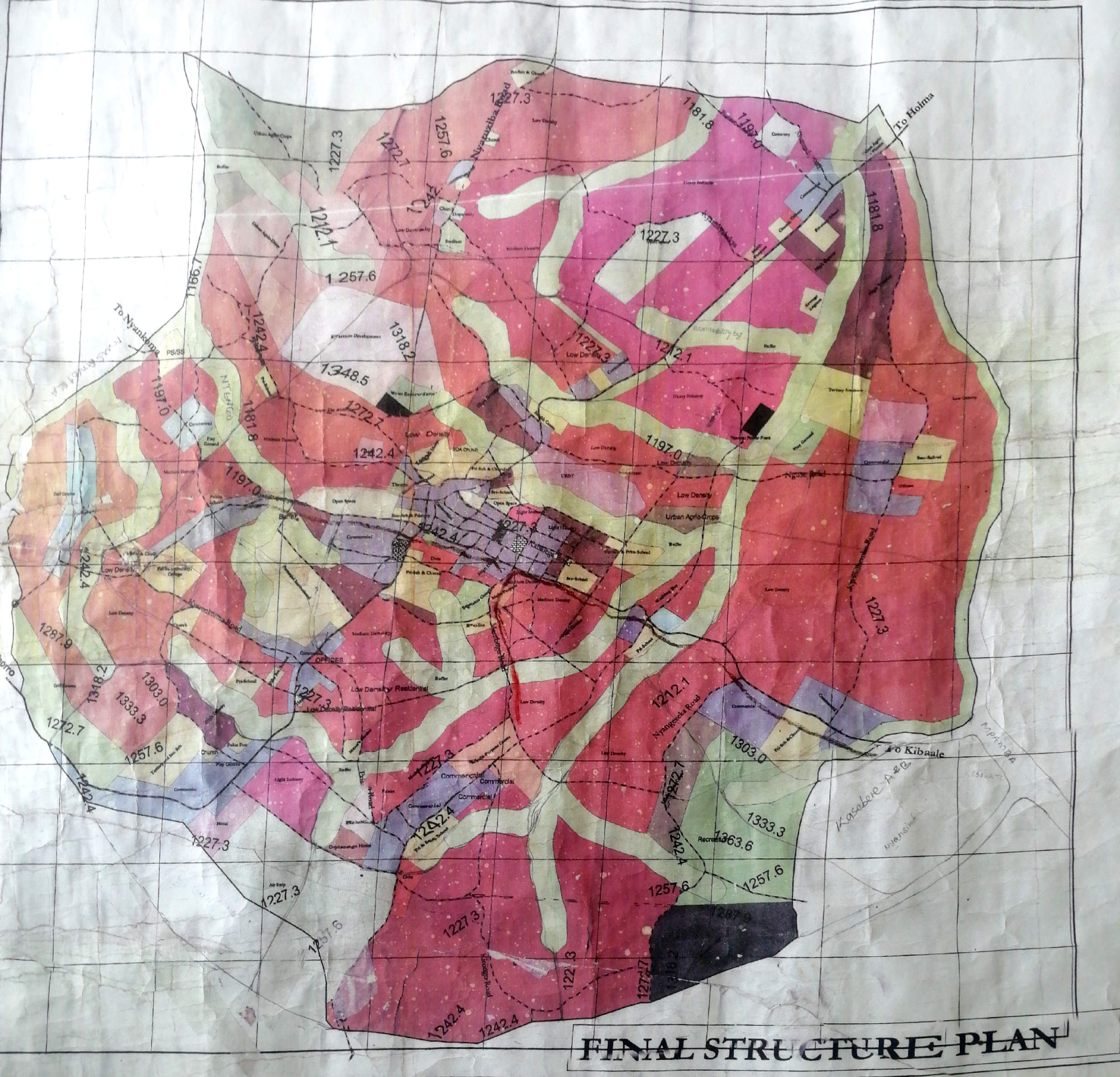
Plan
Kagadi Town Final Structure Plan
The detailed land-use map of the town, with a full key.
Notes
The Mayor's 17-point plan for Kagadi
Priorities and commitments for the town, page by page.
Explore everything
All sections of this website
Visit every part of Kagadi Town online — services, accountability, news, businesses, tourism and more.
Comments on this page
Tell the council what you think about Manifesto
Every comment goes straight to the administrator console and on to Kagadi Town Council. Approved comments appear publicly below with the council's reply.
No published comments on this page yet — be the first to comment.